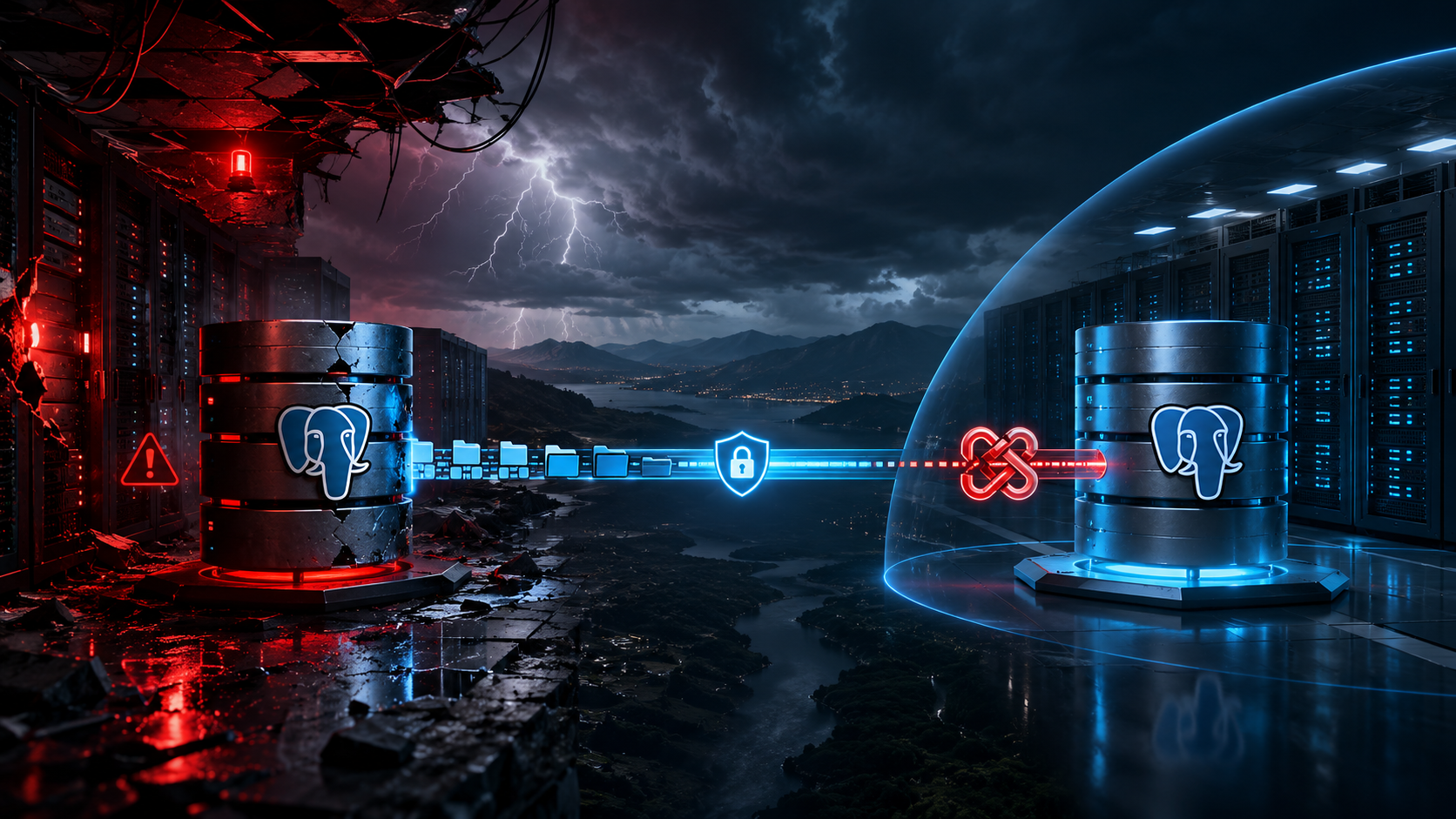
High availability is vital for business-critical databases where 24/7 access is essential. The requirements for high-availability databases may vary from organization to organization, but the desired outcome in all cases is a reliable database with minimal downtime. Many organizations aim to achieve a % availability level of 99.99%. In other words, they strive to ensure that downtime in a year is less than one hour. This is because every moment of downtime can result in a loss of revenue or data. An estimated average downtime cost of $5,600 US dollars per minute Considering this, a highly available database will prevent thousands of dollars in losses that could occur as a result of a power outage or system failure. However, before making your database highly available, it is crucial to understand the fundamental requirements underlying your database operations. Without the proper infrastructure, ensuring high availability can become extremely difficult and costly.
If high-availability databases If you have been tasked with designing, you need to consider the following five questions before taking action.
1. What kind of hardware, network, and software issues affect a highly available database?
The weakest link in your chain has the greatest impact, and the accessibility of your overall solution is determined by the individual accessibility of each component. Veritabanınızın %99,99 erişilebilir olması için; ağ altyapısı, güç kaynakları, diskler ve denetleyiciler gibi tüm temel donanımların %99,99’dan daha fazla erişilebilir olması gerekir. Bu durum iş kritik bir sistem için çift güç kaynağı, çift ağ kartıyla çalışan yedekli bir ağ ve yedekliliği yüksek disk dizileri anlamına gelir.
For example, if a business wants to minimize the risk of data loss as much as possible to a % 99.999 uptime level—or, in other words, less than 6 minutes of downtime per year— it requires continuous data-accumulating backups, which necessitate redundant hardware to manage availability, as well as a distributed SAN architecture with disk arrays located outside the production center.
2. What level of “business-criticality” requirement do you have?
One of the most important problems organizations face is the insufficient understanding of infrastructure requirements. Organizations, which of their capabilities “mission-critical” it is important that it can make distinctions according to its own specific needs while determining.
For example, losing business because you cannot receive a customer order due to a system failure is a different problem than having to expedite a shipment in a way that causes your profitability to drop. Even though unplanned downtimes stem from different problems, both tasks require a highly available database.
It is crucial to outline the special functions that must remain accessible at all times in order to keep the right hardware, network, and software solutions integrated.
Any availability range from 99.9% to 99.999% requires different investments in hardware and software. For example, if an organization wants high availability, it needs a replica that can quickly come online in the event of a disaster. When planning such an infrastructure, the target uptime of your databasemust have a basic understanding to obtain it.
3. What is the budget for the high availability solution?
One of the biggest obstacles to ensuring high availability is budget. Building the right network infrastructure to prevent data loss in the event of a disaster requires a significant investment in hardware, software, and human resources. Businesses that do not have sufficient resources to build the infrastructure they need put all their operations at risk.
Not having a highly available database for mission-critical applications means that when an application crashes, the business stops operating as well.
What options are there other than Oracle?
Database with EDB Postgres Enterprise Failover Manager (EFM) at a much lower cost than Oracle high availability functionalitywhat it offers. For example, Oracle's RAC can provide you with a high level of availability, but the extremely expensive solutions it offers can generally only be applied to a very small, high-end need. EDB Postgres can perform Oracle-like failover operations for a large portion of applications (everything except the very small percentage of applications that require all the capabilities of Oracle RAC). The vast majority of use cases will never actually need to use Oracle RAC.
EDB Postgres Failover Manager (EFM) provides a fault-tolerant clustering technology and redundant architecture to eliminate single points of failure and protect against system outages.
5. What are the best practices for achieving high availability in Postgres?
Implementing replication is one of the best practices for high-availability databases. This is very easy in EDB Postgres with native log-based replication, which maintains high availability through the right number of replicas that have low-latency, reliable connections and are physically close to each other.
One of the biggest advantages of an EDB Postgres subscription is that users high availability and disaster recovery is to have the necessary tools along with the database at no extra cost.
Source: 5 Questions to Ask When Designing Highly Available Databases
© Copyright EnterpriseDB Corporation 2020 EnterpriseDB Corporation
34 Crosby Drive Suite 201 Bedford, MA 01730
EnterpriseDB and Postgres Enterprise Manager are registered trademarks of EnterpriseDB Corporation. EDB and EDB Postgres are trademarks of EnterpriseDB Corporation. Oracle is a registered trademark of Oracle, Inc. Other trademarks may be trademarks of their respective owners.